
Bute Explorer
Exploratory mountaineering in the heart of the Coast Range
12/8/20253 min read
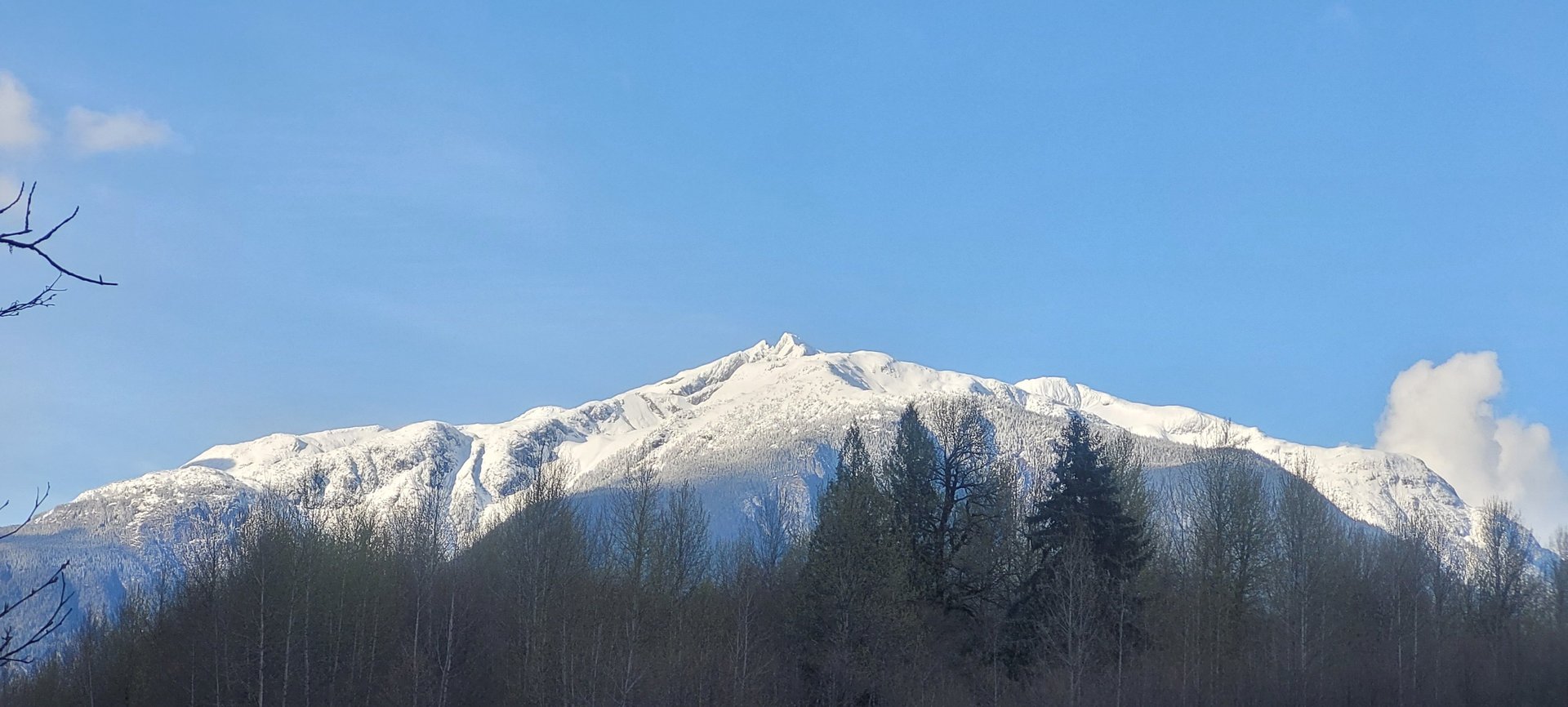
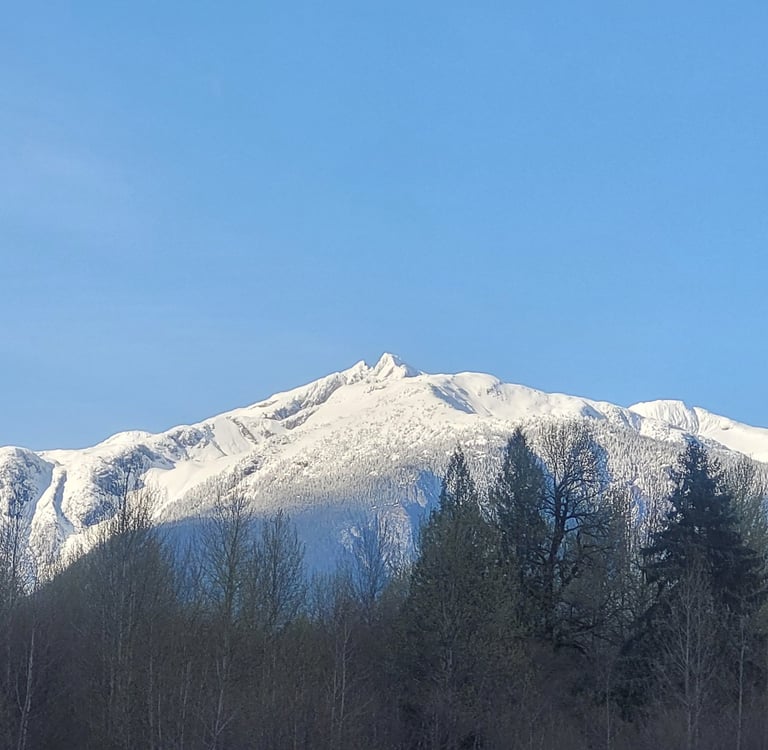
No inlet penetrates as deep into the coast mountain range as Bute. And its obvious; no sooner than when you've entered the inlet, the water turns that beautiful opaque glacier milky blue. Fed by enumerable watercourses and glaciers, it takes you to the base of some truly incredible mountains, including the province's biggest.
Being about 60 nm from Campbell River, on Vancouver Island, the head of Bute isn't exactly close. Add to that the strong thermal inflow and outflow winds that frequent the inlet, and the complete lack of protected anchorages, and Bute can be a tricky one to access. But it also makes for an incredibly rugged and wild space, with towering walls of granite, rushing rivers, high snowcapped peaks, and some world class mountaineering. With all of this in mind, we set our sights on an exploratory mission to the head of the inlet in the month of September. The goals were simple: take the e-bikes out for a spin, and maybe try and get on top of something — if possible.
So loading up Afthole with bikes, paddleboards, and 3 nights worth of overnight gear, we set out from Campbell River. Our weather was looking pretty good for the next few days, mostly cloudy and settled — perfect to avoid any significant winds. And as trusted, we made the trip in a clean 3 hours, and arrived at the mouth of the river. We knew there was an old logging camp, and sometimes caretaker stationed slightly upstream, so we puttered up the river and went to check things out.
The Homathko camp was quiet but not empty. A small crew of fisheries researchers had set up there, doing monitoring work on the river. They were welcoming and happy to chat — a good omen for the days ahead. We tied up, sorted our gear, and got the bikes ready.
The plan was simple: ride the old logging roads up the east side of the Homathko River valley, find a place to camp, and see how high we could get the next day.
The e-bikes earned their keep immediately. Thirty kilometres of decommissioned road climbing up the east side of the Homathko River valley — the kind of riding that would be a grinding sufferfest on a regular bike was suddenly just... enjoyable. We moved through the valley at a good clip, the glacier-fed river roaring below us through the trees, the walls of the inlet rising impossibly steep on either side. The scale of Bute is something you can read about but not fully prepare for. You feel genuinely small in there, in the best possible way.
At the end of the day we rode back downstream to the Homathko camp, loaded the bikes back onto Afthole, and motored down the river into the estuary. We were looking for a better jumping-off point — somewhere closer to House Peak for the next morning. The estuary delivered. Tucking into a quiet side channel, we found our camp on a decommissioned bridge spanning the creek — flat enough to sleep on, the tide moving silently beneath us, and the peaks visible above the treeline in the last of the evening light. You couldn't have planned it.
The next morning we pushed further up the valley toward House Peak. The lower approach followed old roads that have long since been reclaimed by alder — thick, tangled, and slow going, the kind of bush that makes you question your life choices. But above about 1000 metres the vegetation thinned out into open blueberry fields, the going became surprisingly easy, and the views started opening up in every direction. The coast mountains doing exactly what they're supposed to do.
We got close. Close enough to get a proper read on the route, understand the terrain, and know exactly what a summit attempt would require. But the day was getting away from us — the mountains have a way of consuming time — and with the boat waiting in the estuary and a long ride back ahead, we made the smart call and turned around. A recon trip is a success when you leave knowing more than you arrived with. We left knowing a lot.
The ride back was its own adventure. Decommissioned roads in Bute exist on a spectrum — some sections were surprisingly rideable, fast and flowy through the trees, the kind of riding that makes you grin involuntarily. Others were fully returned to the forest, requiring a certain amount of creative route-finding and the occasional hike-a-bike through whatever the alder had decided to do. The e-bikes handled all of it with good humour.
Back at the boat, tired and satisfied, it was hard not to already be thinking about a return trip. House Peak isn't going anywhere. The route is understood now, the timing is clear, and the approach is dialled. Next time we go back, we'll go earlier in the day and higher on the mountain.
That's the thing about exploratory trips — they're never really finished. They just set up the next one.

